

Planning a trip during the Atlantic hurricane season, which runs from June 1 to November 30, can feel daunting. However, with the right knowledge, you can navigate this time with confidence. Understanding the specific risks associated with your destination and travel dates is crucial.
Many people shy away from booking trips in this period. But with a smart strategy, you can enjoy lower rates and fewer crowds. This guide will help you find the balance between excitement and the reality of potential weather disruptions.
Knowing about the hurricane season is the first step to ensuring your vacation is memorable, not stressful. By following the tips outlined here, you’ll learn how to protect your travel investment while keeping your family safe during your next tropical getaway.
Key Takeaways
- Understand the risks associated with your travel dates.
- Book strategically to enjoy lower rates and fewer crowds.
- Balance excitement with awareness of weather disruptions.
- Plan ahead to keep your vacation enjoyable.
- Learn how to protect your travel investment effectively.
Understanding Hurricane Season Travel Trends
Understanding the Atlantic hurricane season is essential for your travel plans. This season officially runs from June 1 to November 30, with the most intense activity typically occurring between August and October. This period is when storms are most likely to develop and impact travel.
Historical events highlight the unpredictable nature of hurricanes. For instance, Hurricane Katrina devastated New Orleans, while Hurricane Sandy left a mark on New York City. Even inland areas, like Asheville, North Carolina, faced catastrophic flooding from Hurricane Helene. These examples show that no region is completely safe from storms.
By grasping these weather patterns, you can make informed decisions about your next trip to the Caribbean or Florida. Awareness of the risks associated with this season can help you avoid the most dangerous periods and still enjoy your vacation.
Help travelers make smarter summer and fall choices during hurricane season.
Traveling during the Atlantic hurricane season can be a bit of a puzzle. To navigate it effectively, start by researching your destination. Check if it falls within the primary hurricane belt for your travel dates.
If you prefer a worry-free getaway, consider lower-risk locations like Aruba or Bonaire. These spots often experience fewer storms, allowing you to relax and enjoy your vacation.
While experts monitor the weather constantly, you can also stay informed. Use reliable weather apps to track any developments that might affect your plans.
Many savvy travelers choose regions that have historically been less impacted by storms, especially in September. Prioritizing flexibility in your itinerary ensures that you can adjust plans as needed, keeping your trip enjoyable.
| Destination | Risk Level | Best Months to Visit |
|---|---|---|
| Aruba | Low | June – November |
| Bonaire | Low | June – November |
| Florida Keys | Moderate | October |
| Puerto Rico | High | August – September |

Customized Travel Planning with Carter Travel Excursions
When it comes to planning your next getaway, you deserve a personalized touch. At Carter Travel Excursions, we believe that travel is more than just a trip; it’s an experience tailored just for you.
Our dedicated team, based in Florida, is here to help you create unforgettable memories. You can reach us at 727-314-1865 to start planning your next adventure, whether it’s a luxury escape or a family vacation.
We provide expert guidance to help you navigate the complexities of booking a trip during the storm season. With personalized itineraries, we ensure that your travel plans align perfectly with your vision.
Additionally, our agency leverages strong global partnerships to offer access to exclusive destinations. These options often provide safer alternatives during peak storm activity, allowing you to enjoy your journey with peace of mind.
Let us design every journey to match your dreams, ensuring your plans lead to lasting memories rather than stress.
Travel Insurance Essentials for Hurricane Preparedness
Before you book that tropical getaway, let’s talk about the importance of travel insurance. Securing comprehensive travel insurance is vital. Policies underwritten by companies like Zurich American Insurance Company (NAIC #16535) provide essential financial protection.
Always read the fine print of your insurance policy. Travelex Insurance Services, located in Omaha, NE, notes that coverage terms can vary by state. Be aware that many policies exclude named storms if purchased after a hurricane is identified by the National Hurricane Center.
Comprehensive coverage should include trip cancellations and interruptions. This ensures you won’t face financial loss if a storm forces a change in your plans. Lastly, always verify that your insurance policies cover your specific destination, especially if you’re traveling during peak hurricane times.
Building a Detailed Emergency Plan and Must-Have Travel Kits
A detailed emergency plan can be your best friend when facing unpredictable weather. Creating one is essential, especially after seeing how residents in Old San Juan struggled with power grid failures during Hurricane Fiona.
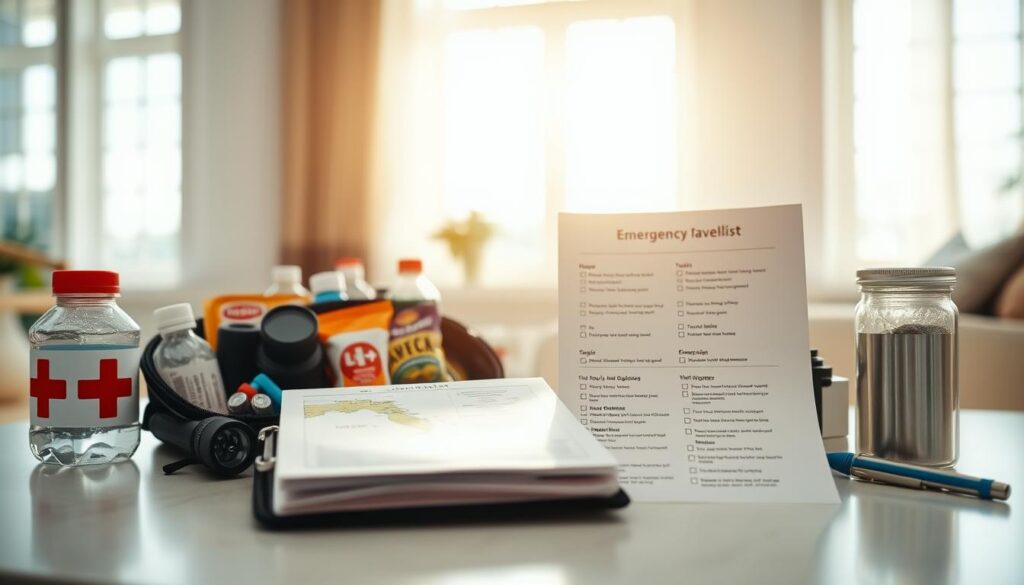
Your emergency kit should include:
- A first aid kit with extra medications.
- Portable chargers to keep your devices powered.
- Enough non-perishable food and water to last at least 72 hours.
Every traveler should also pack waterproof bags to protect important documents from potential water damage. It’s wise to share your itinerary and emergency plan with family members. This way, they know your exact location and contact information during your trip.
Packing smart means including items like flashlights and batteries, which were crucial for those who stayed in Old San Juan during the storm. Remember, being prepared can turn a stressful situation into a manageable one.
Tips for Booking Caribbean and Florida Trips During Storm Season
Booking a trip in the Caribbean or Florida during storm season requires careful planning. One of the first things to consider is your choice of accommodations. Look for hotels that have backup generators, like Hotel El Convento in Old San Juan, which maintained power and Wi-Fi during Hurricane Fiona. This can be a game-changer when storms hit.
Flexibility is key. Storms can change paths quickly, so you may need to adjust your itinerary or even evacuate. Some travelers found themselves in Old San Juan for days, where the city’s infrastructure offered a safer experience compared to other areas.
When booking your trip, consider the proximity of your hotel to local authorities. This can be crucial for safety and communication. Always have a backup plan, as even minor storms can disrupt transportation and keep you in one place longer than expected.
- Choose hotels with backup power.
- Remain flexible with travel plans.
- Research local infrastructure and safety measures.
- Prepare a backup plan for unexpected changes.
| Hotel Name | Location | Backup Power |
|---|---|---|
| Hotel El Convento | Old San Juan | Yes |
| Marriott Beach Resort | Key West | No |
| Hilton Head Resort | Fort Lauderdale | Yes |
Making Informed Decisions with Reliable Weather and Insurance Information
Knowledge of storm forecasts can significantly impact your travel experience. Staying updated with the National Hurricane Center is essential. You should monitor it daily to receive the most accurate information regarding any developing storm in the Atlantic.
Leveraging expert travel tips from the National Hurricane Center helps you decide if you need to initiate an evacuation from your current destination. Reliable insurance coverage provides peace of mind, ensuring that in the case of an emergency, you have access to medical aid and support.
By checking weather alerts throughout the year, you can better understand the risks associated with your specific travel plans and destination. Always keep a list of emergency contacts and local authorities handy, as this information is vital if you are caught in a weather event.
Conclusion
Choosing to travel when storms may arise can be a tricky endeavor. However, with the right preparation, it can also lead to unforgettable experiences. Securing comprehensive insurance and opting for accommodations with backup power are vital steps to protect your trip from unpredictable weather.
Flexibility in your plans is essential. This allows you to adapt to any changes in the forecast or local conditions. We hope this guide has equipped you with the information needed to book your next Caribbean or Florida getaway confidently.
Whether you’re planning a luxury escape or a family vacation, staying informed is key. With the right mindset, your travel dreams can turn into lasting memories.