

Picture this: you’re in Barcelona, ready to grab some cash for tapas. The ATM screen flashes a confusing prompt about currency conversion. It seems harmless, but hidden charges lurk behind that “helpful” offer. Your wallet could get lighter faster than a pickpocket strike.
Many travelers don’t realize how much extra they pay for simple transactions abroad. Withdrawing cash or using your card can add sneaky costs. These can pile up to 10-13% on every purchase if you’re not careful. That’s money meant for memories, not fees.
This guide shows you how to handle your funds wisely on trips. We break down everything from picking the right plastic to decoding tricky terms like Dynamic Currency Conversion (DCC). You’ll learn real strategies that keep more cash in your pocket.
These are practical tips used by seasoned explorers. They save hundreds per journey. When planning with Carter Travel Excursions, your budget should go to experiences, not avoidable charges.
Key Takeaways
- Understand hidden costs in foreign transactions.
- Choose cards that minimize extra charges.
- Always opt for local currency at ATMs.
- Learn what Dynamic Currency Conversion means.
- Keep more of your budget for fun activities.
- Use proven methods to save on every trip.
Introduction: Why Managing Money Abroad is Crucial
Imagine landing in Rome, ready to explore, but your first stop is an ATM that eats your budget before you even see the Colosseum. That initial excitement can fade fast when hidden costs appear. These small charges add up, stealing from your experience fund.
Travel as an Experience with Carter Travel Excursions
Based in Florida, Carter Travel Excursions (727-314-1865) sees your journey as more than a simple trip. We are your dedicated partner for crafting unforgettable memories. Our personalized travel planning handles flights, hotels, and unique activities tailored just for you.
We focus on the big picture so you can focus on the moments. This includes managing your spending wisely overseas. It’s about making your money work for your dreams.
Common Financial Pitfalls on International Trips
Many travelers face surprise charges. Your bank back home might add a fee. The local machine could have its own surcharge. Sometimes, a confusing prompt offers a conversion that costs extra.
These pitfalls are predictable. A single week can easily cost $50 to $100 in unnecessary fees. That’s cash better spent on a local cooking class or a special tour.
This guide gives you the information to keep your budget for fun. It’s not about being cheap. It’s about being smart with your card and cash so you can splurge on what truly matters.
Understanding these details reduces stress. It maximizes your travel budget, whether you’re a family, a couple, or a solo explorer. Your time abroad should be about joy, not financial worry.
Understanding Foreign ATM Fees and Charges
When you insert your card overseas, multiple fee layers can stack up faster than you’d expect, quietly draining your travel budget. Most people don’t realize they’re paying four different charges at once.
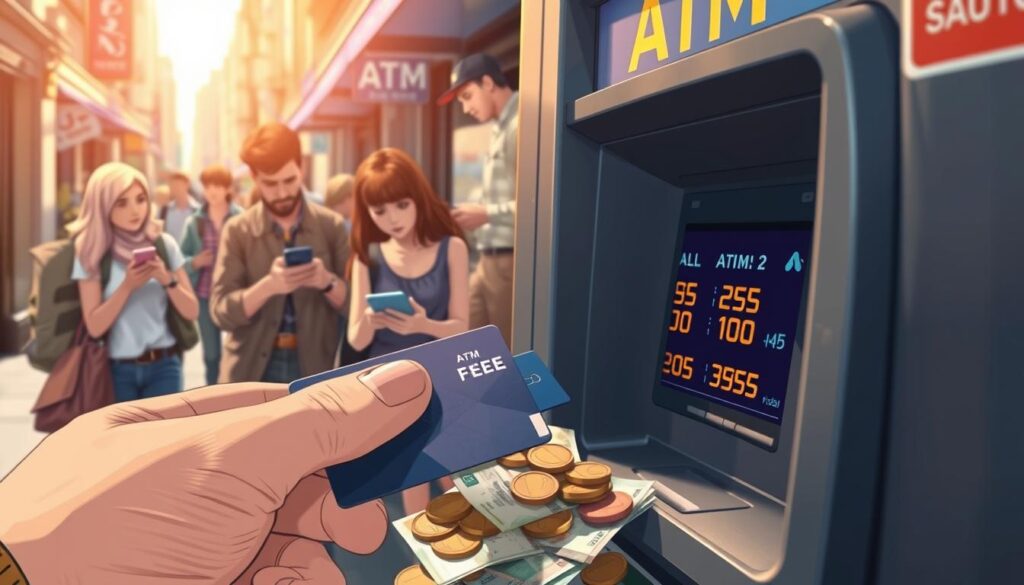
These costs hit every time you need cash abroad. They work together to take a significant bite from your spending money.
Breaking Down ATM Surcharges and Out-of-Network Fees
Your own bank charges a foreign transaction fee—usually 1-3%—every time your card processes anything in another currency. This applies to both withdrawals and purchases.
Then there’s the out-of-network fee. Abroad, nearly every machine is outside your bank’s network. This adds $2-5 per withdrawal.
The ATM owner tacks on their own surcharge too. Independent operators in tourist areas often set surprisingly high rates.
How Dynamic Currency Conversion Impacts Costs
The sneakiest trap appears when the machine asks if you want to pay in dollars instead of local currency. This “helpful” offer called Dynamic Currency Conversion uses terrible exchange rates.
It can inflate your costs by up to 13%. Withdrawing $100 could actually cost you $110 after all fees combine.
Understanding each charge gives you power to minimize them. That saved cash funds real experiences instead of unnecessary fees.
International Money Tricks: Avoid ATM Fees, Bad Exchange Rates, and ‘DCC’
The most critical financial decision you’ll make abroad happens in seconds at a cash machine. Getting this right keeps your budget intact for experiences instead of unnecessary charges.
Choosing the Right Financial Tools
Your plastic can work for you or against you overseas. Selecting the right bank and card makes all the difference. Some financial institutions specialize in traveler-friendly accounts.
Consider options like Schwab Bank Investor Checking or Capital One 360 Checking. These accounts charge zero foreign transaction fees. They even reimburse ATM surcharges worldwide.
If you travel frequently, opening a dedicated travel account pays off. For occasional trips, simply use your existing card with the lowest foreign fees. Both debit card and credit options from these banks work well abroad.
Spotting and Avoiding Costly Conversion Traps
When the screen asks if you want to pay in dollars instead of local currency, always decline. This “helpful” offer is called Dynamic Currency Conversion. It adds 4-8% to your costs.
The machine might show phrases like “continue with conversion” or “charge my account in USD.” These all mean the same thing: you’re about to pay extra. Always choose the local currency option.
Your credit card network provides much better exchange rates. This simple choice saves significant money throughout your journey.
Effective Credit and Debit Card Strategies Overseas
Your wallet strategy abroad can make or break your daily budget. Let’s get your plastic working for you, not against you.
Your credit card should be your go-to for most purchases. This simple shift saves you from constant ATM visits. Choose a card with no foreign transaction fee to keep costs down.
Choosing No-Fee Travel Credit Cards and Debit Options
Not all cards are created equal for travel. The right choice protects your spending.
Premium credit cards like the Chase Sapphire Preferred or Capital One Venture offer great value. They charge no extra fees on overseas purchases. You also get rewards and protections.
These cards have an annual fee, but the savings on a single trip often cover it. For occasional travelers, no-fee options exist too. Do your research before your next journey.
Use your debit card for one job: getting local cash. It’s not for daily spending. This keeps your main account secure.
| Card Name | Annual Fee | Foreign Transaction Fee | Key Perk |
|---|---|---|---|
| Chase Sapphire Preferred | $95 | 0% | Strong Travel Points |
| Capital One Venture | $95 | 0% | Simple Miles Rewards |
| American Express Platinum | $695 | 0% | Lounge Access & Credits |
Notifying Your Bank and Managing Withdrawal Frequency
A quick call to your card issuer before you leave is crucial. Tell them your travel dates and destinations. This five-minute task prevents your card from being blocked.
Plan your cash needs wisely. Withdraw a larger amount once, instead of small sums multiple times. Store the extra safely. This strategy slashes the number of fees you pay.
If you’re with a partner, take turns making withdrawals. You’ll cut your combined fees in half. Smart planning means more money for your adventures.
Smart Currency Exchange Practices and Avoiding Common Traps
Navigating currency exchange can feel like a high-stakes game where the rules are hidden. Let’s get this right so you keep every dollar for your adventures.
The golden rule is simple. When any machine or clerk asks, always choose the local currency. Decline any offer to pay in your home currency.

When to Exchange Money and Avoid Poor Conversion Rates
Your card issuer uses a real mid-market rate. It’s the same one big banks use. An ATM or kiosk marks up their exchange rates significantly for profit.
That “helpful” offer to see the charge in dollars is a trap. You pay a 4-8% premium for that convenience. It’s like giving away cash for no reason.
Airport exchange kiosks are notoriously bad. Their rates can be 10-15% worse. They prey on travelers who need cash immediately.
Local Currency vs. Home Currency: Making the Right Choice
Your best move is to wait until you arrive. Use your no-fee debit card at an ATM in the arrival terminal. Withdraw a sensible amount in the local currency.
Traveling in Europe? Choose euros. In Japan? Choose yen. Let your card handle the conversion behind the scenes.
This simple choice saves you significant money throughout your journey in any country. Your budget stays focused on fun, not fees.
Safety and Security Tips for Using ATMs Abroad
Finding a reliable cash machine overseas involves more than just convenience—it’s about security. Your physical safety and financial protection should guide every withdrawal decision.
Locating Trusted ATM Providers and Bank Networks
Not all cash points are created equal. Major financial institutions maintain their machines better and provide real customer service if issues arise.
Independent operators often charge higher fees and offer little help when problems occur. Walking a few extra blocks to find a proper bank machine is worth the effort.
If your card gets stuck, a major bank branch provides immediate assistance. Independent locations might leave you stranded without recourse.
Staying Alert to Skimming and Other Security Threats
Card skimming is a real threat in tourist areas. Criminals install fake readers or tiny cameras to steal your information.
Before inserting your card, inspect the machine carefully. Check if the card slot looks loose or the keypad feels unusually thick.
Always cover the keypad with your hand when entering your PIN. This simple habit defeats hidden cameras watching your movements.
Choose well-lit, public locations for withdrawals. Trust your instincts—if something feels off, find another machine.
These security tips protect both your cash and your peace of mind during travels. Smart habits make for safer transactions.
Conclusion
You now hold the key to keeping your vacation budget where it belongs—with you. These simple strategies turn confusing financial decisions into clear choices that save real cash.
Remember the core rules: always choose local currency, use the right plastic, and plan your cash needs wisely. This knowledge can easily save you $100-300 per journey.
That’s extra money for special meals, unique tours, or memorable souvenirs. Your hard-earned cash stays in your pocket instead of disappearing into unnecessary charges.
At Carter Travel Excursions, we believe your travel should focus on experiences, not financial stress. Our team handles the big picture planning while you apply these smart tips.
Together, we create unforgettable journeys where every dollar works for your dreams. Call us at 727-314-1865 to start planning your next adventure.
You’ve got this—go enjoy the trip you deserve!